


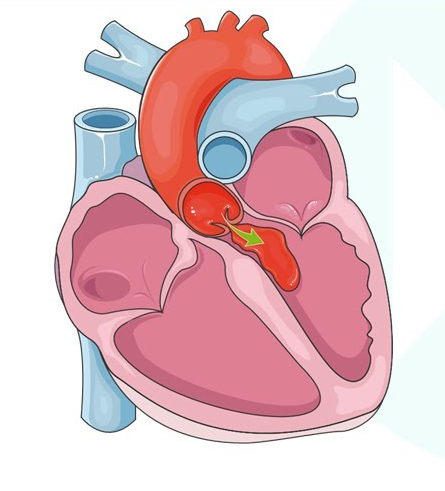
Valvular heart disease refers to a condition in which one or more of the heart’s valves do not function properly. The heart has four main valves that control the flow of blood through its chambers: the mitral valve, tricuspid valve, aortic valve, and pulmonary valve. These valves ensure that blood flows in the correct direction and that the heart works efficiently.
Types of Valvular Heart Disease:
Valvular heart disease can involve stenosis (narrowing of the valve) or regurgitation (leakage or backflow of blood). These conditions can affect any of the heart’s valves:
- Mitral Valve Disease:
- Mitral valve prolapse: The mitral valve (between the left atrium and left ventricle) bulges into the left atrium, sometimes allowing blood to leak backward (mitral regurgitation).
- Mitral stenosis: The valve becomes stiff and narrowed, restricting blood flow from the left atrium to the left ventricle.
- Aortic Valve Disease:
- Aortic stenosis: The aortic valve (between the left ventricle and aorta) becomes narrowed, reducing the blood flow from the heart to the rest of the body.
- Aortic regurgitation: The aortic valve doesn’t close tightly, allowing blood to flow back into the left ventricle, which can lead to heart enlargement and reduced function.
- Tricuspid Valve Disease:
- Tricuspid regurgitation: The tricuspid valve (between the right atrium and right ventricle) does not close properly, allowing blood to leak backward into the atrium.
- Tricuspid stenosis: This is rare, but it involves narrowing of the tricuspid valve, impairing blood flow from the right atrium to the right ventricle.
- Pulmonary Valve Disease:
- Pulmonary stenosis: A narrowing of the pulmonary valve (between the right ventricle and the pulmonary artery), restricting blood flow to the lungs.
- Pulmonary regurgitation: The valve doesn’t close properly, allowing blood to flow backward into the right ventricle.
Causes of Valvular Heart Disease:
- Congenital heart defects: Some people are born with valve abnormalities.
- Age-related changes: Over time, the valves can become thicker, stiffer, or calcified, leading to stenosis.
- Rheumatic fever: This condition, which can result from untreated streptococcal throat infections, can damage the heart valves, especially the mitral and aortic valves.
- Infections: Endocarditis, an infection of the heart’s inner lining, can affect the valves.
- Calcification: Calcium deposits on the valve leaflets (especially in older adults) can impair valve function.
- Heart attack: Damage to heart tissue can lead to changes in valve function, particularly with the mitral valve.
- Other conditions: Autoimmune diseases (e.g., lupus) and high blood pressure can also contribute to valvular heart disease.
Symptoms:
The symptoms of valvular heart disease can vary depending on the valve affected and the severity of the disease. Some people may not experience any symptoms initially, while others may develop symptoms as the disease progresses. Common symptoms include:
- Shortness of breath (especially during exertion)
- Fatigue
- Swelling in the legs, ankles, or abdomen
- Chest pain or discomfort
- Palpitations (feeling of irregular heartbeats)
- Fainting or dizziness
- Coughing, especially at night or when lying down (due to fluid buildup in the lungs)
- Heart murmur (an abnormal sound heard with a stethoscope)
Diagnosis:
- Physical exam: A doctor may hear a heart murmur during a routine checkup, which could indicate valvular heart disease.
- Echocardiogram: The primary diagnostic tool. It uses sound waves to create images of the heart and its valves, helping to assess their function.
- Electrocardiogram (ECG): To check for abnormal heart rhythms.
- Chest X-ray: Can show the size and shape of the heart and detect fluid in the lungs.
- Cardiac MRI: Provides detailed images of the heart’s structure and function.
- Cardiac catheterization: Sometimes used to evaluate the severity of valve disease and measure pressures inside the heart chambers.
Treatment:
Treatment depends on the type and severity of the valvular heart disease. Options include:
- Medications:
- Diuretics: To reduce fluid buildup.
- Beta-blockers: To control heart rate and blood pressure.
- Anticoagulants: To prevent blood clots, especially in cases of atrial fibrillation or when there is regurgitation.
- Vasodilators: To relax and open blood vessels, making it easier for the heart to pump blood.
- Procedures:
- Balloon valvuloplasty: A minimally invasive procedure in which a balloon is inflated in the valve to open it up, often used in cases of stenosis.
- Valve repair: In some cases, damaged valves can be surgically repaired to improve their function.
- Valve replacement: If the valve is severely damaged, it may need to be replaced with a mechanical or biological valve. This can be done through traditional surgery or minimally invasive methods.
- Surgical options:
- Open-heart surgery: In severe cases, surgery to repair or replace the valve may be required.
Prevention:
Some forms of valvular heart disease can be prevented or minimized through:
- Good dental hygiene: Prevents infections like endocarditis, which can damage the valves.
- Prompt treatment of throat infections: To prevent rheumatic fever, which can lead to valvular heart disease.
- Managing risk factors: Controlling high blood pressure, high cholesterol, and other conditions that may lead to valve problems.
- Regular checkups: Especially for those at higher risk of developing heart valve disease (e.g., older adults, those with a family history of heart disease).
Conclusion:
Valvular heart disease can range from mild to life-threatening. Early detection and treatment are key to managing the condition and improving quality of life. For people with significant valve damage, surgery or valve replacement may be necessary to prevent complications and ensure proper heart function. Regular medical checkups and prompt treatment of underlying conditions are important for maintaining heart valve health.