


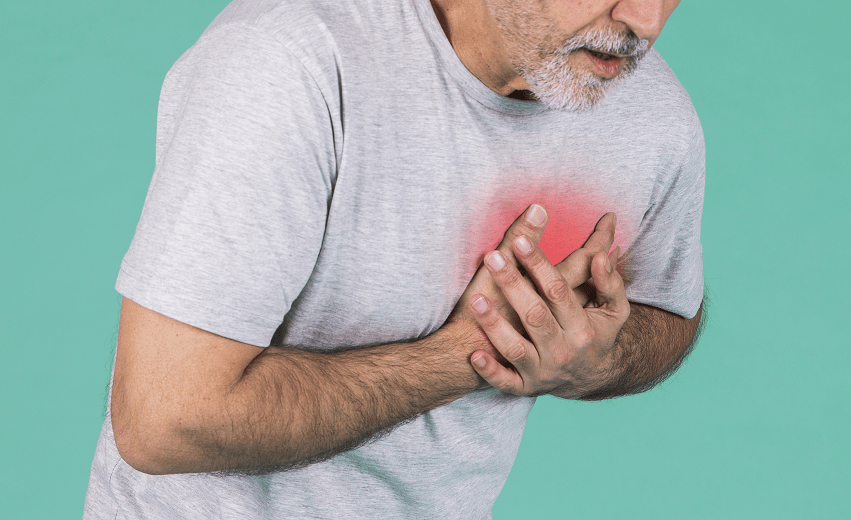
A heart attack, also known as a myocardial infarction (MI), occurs when there is a blockage in one of the coronary arteries that supply blood to the heart muscle. This blockage prevents oxygen-rich blood from reaching part of the heart, causing damage or death of the heart tissue.
Causes:
- Atherosclerosis: A buildup of plaque (fat, cholesterol, and other substances) inside the coronary arteries can cause them to narrow and harden. This can lead to the formation of a blood clot, which may block the blood flow.
- Coronary artery spasm: The arteries may temporarily constrict, limiting blood flow to the heart.
- Tears in the artery wall: Sometimes, the inner lining of a coronary artery may tear, leading to the formation of a blood clot that obstructs the flow of blood.
Symptoms:
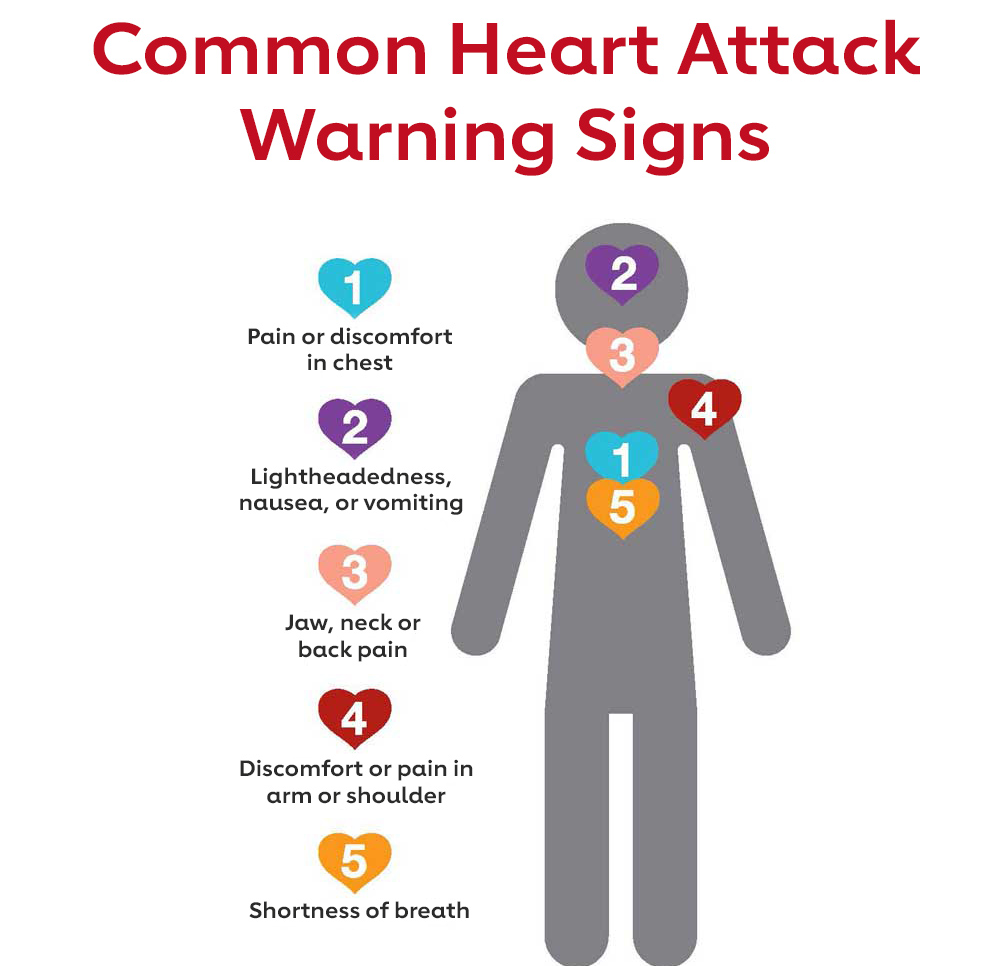
- Chest pain or discomfort (often described as pressure, tightness, or squeezing)
- Pain may radiate to the arms, neck, jaw, back, or stomach
- Shortness of breath
- Cold sweat
- Nausea or vomiting
- Dizziness or lightheadedness
It’s important to note that heart attack symptoms can vary between individuals, especially between men and women. Some people may experience mild or even no chest pain at all.
Risk Factors:
- Age (risk increases with age)
- Family history of heart disease
- High blood pressure
- High cholesterol levels
- Smoking
- Diabetes
- Obesity and lack of physical activity
- Stress
- Excessive alcohol consumption
- Poor diet (high in fats and processed foods)
Diagnosis:
- Electrocardiogram (ECG): A test that records the electrical activity of the heart and can identify changes caused by a heart attack.
- Blood tests: To detect markers such as troponin that are released into the bloodstream when heart muscle cells are damaged.
- Imaging tests: Like echocardiograms or coronary angiograms to check the blood flow and condition of the coronary arteries.
Treatment:
- Medications:
- Aspirin: To prevent blood clotting.
- Thrombolytics: Drugs that dissolve blood clots.
- Antiplatelet drugs (e.g., clopidogrel) and blood thinners (e.g., heparin) to prevent further clotting.
- Beta-blockers: To reduce the heart’s workload and lower blood pressure.
- Pain relievers: To manage pain.
- Medical procedures:
- Percutaneous coronary intervention (PCI): A procedure where a balloon is used to open a blocked artery, sometimes with the insertion of a stent to keep the artery open.
- Coronary artery bypass grafting (CABG): A surgery to bypass blocked or narrowed coronary arteries using a graft from another part of the body.
Prevention:
- Healthy diet: Eating a diet rich in fruits, vegetables, whole grains, lean proteins, and healthy fats can help maintain heart health.
- Regular exercise: At least 150 minutes of moderate-intensity exercise per week.
- Avoid smoking and limit alcohol consumption.
- Control blood pressure, cholesterol, and blood sugar levels.
- Stress management techniques such as relaxation exercises or meditation.
Aftercare:
Following a heart attack, patients typically need to make lifestyle changes, including dietary adjustments, increased physical activity, and, in some cases, long-term medication. Rehabilitation programs and psychological support may also be necessary to help with recovery.
If you experience symptoms of a heart attack, it’s crucial to seek medical attention immediately. The faster treatment is provided, the better the chances of survival and minimizing heart damage.